
5 best materials for LED illumination optics
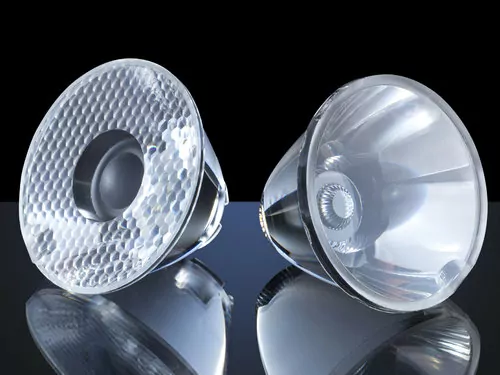
Freeform lenses (including TIR lenses) and lightpipes are the two most common types of LED illumination optics. They can be made using injection molding and are affordable. Glass materials are not common for general illumination, but are used for spherical lenses or aspheres in devices such as optical instruments with Abbe or Köhler illumination. In […]
Laser Beam Caustic: Explained

One parameter that can be used to evaluate the quality of a laser beam is what’s called a Beam Caustic. A caustic, in general, is an “envelope” that defines the extent of a beam of light after they have been refracted (or reflected ) by a curved surface. As the light beams propagate they cross […]
5 Tricks to Control Stray Light
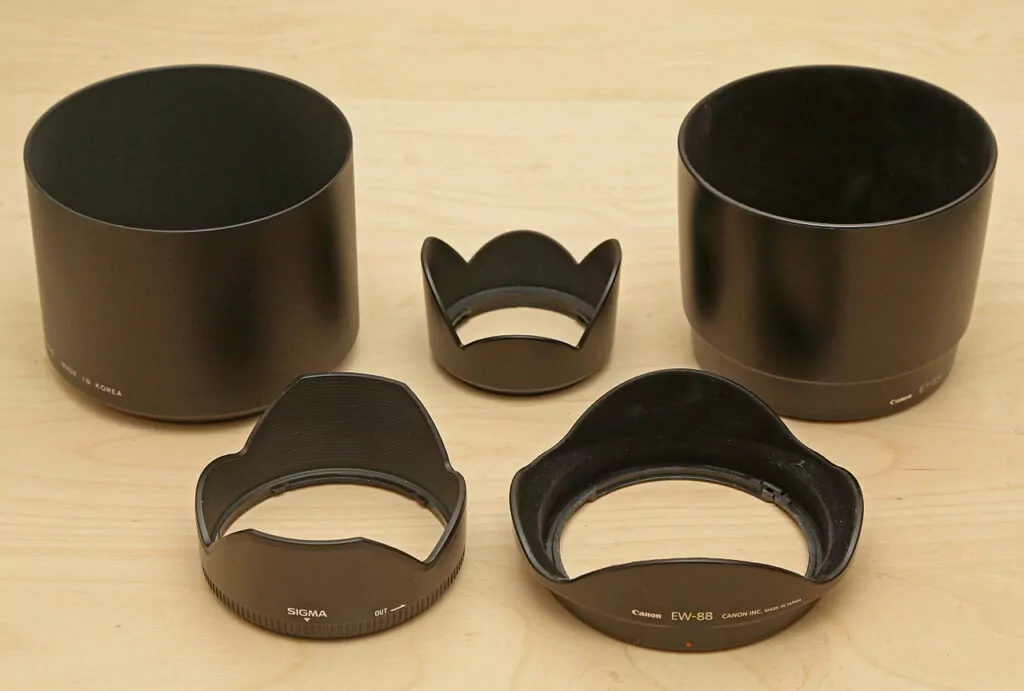
When designing an optical system, an optical engineer needs to consider where the light to be directed, and also where the light shouldn’t be propagating. We call this unwanted light: stray light. Stray light is a major limiting factor in many imaging systems. When stray light enters the system, it degrades the signal-to-noise ratio or […]
Understanding the optics behind a PAPI light
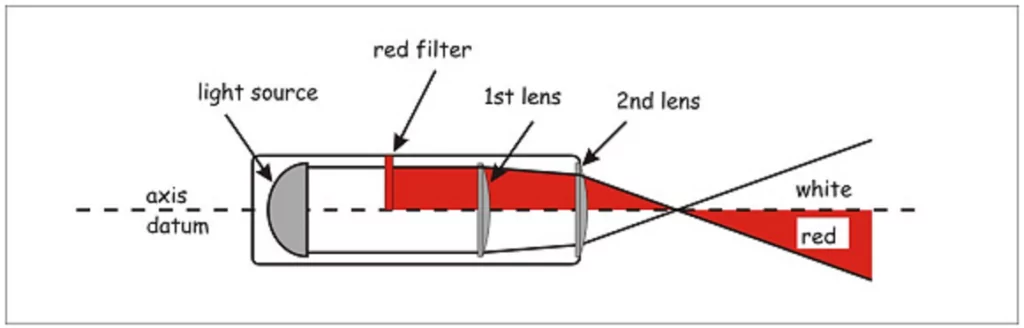
In a previous article we talked about Aviation Light Optics. and discussed a runway light system called Precision Approach Path Indicator (PAPI). Now we would like to go more in detail into PAPI design and describe their design requirements. The PAPI system is a set of four light sources that help the pilots correct the […]